
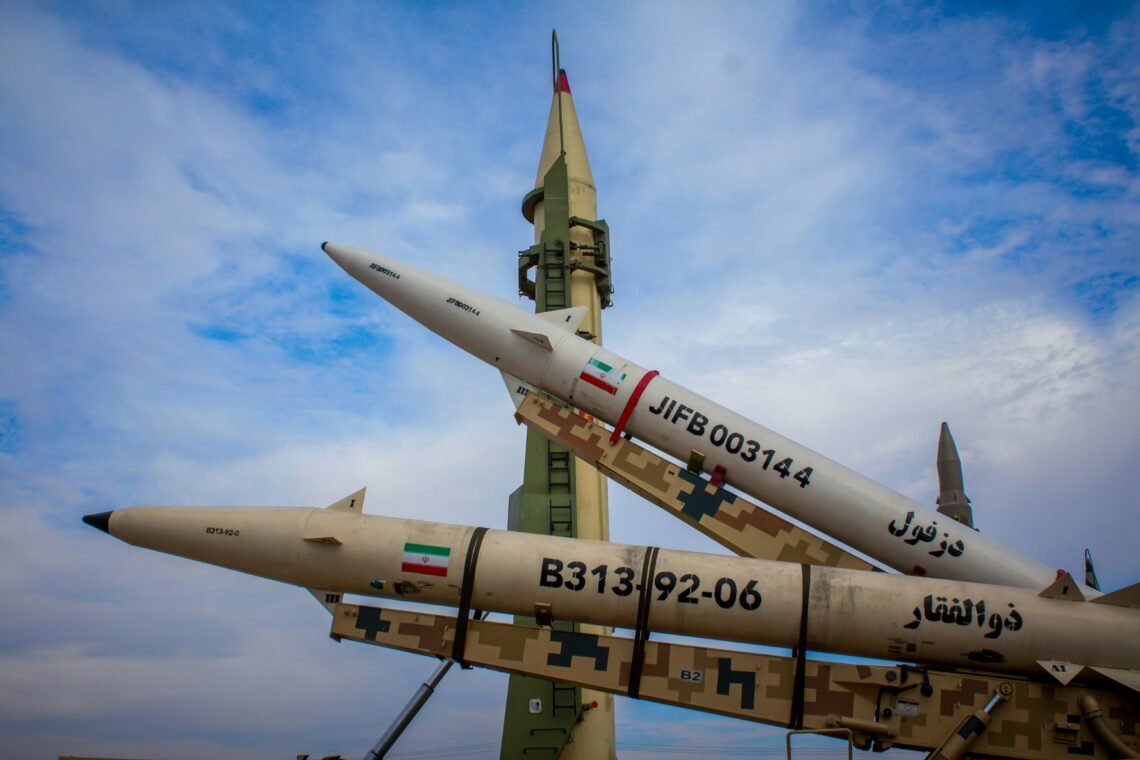
Photo by Moslem Daneshzadeh on Unsplash
What Happened?
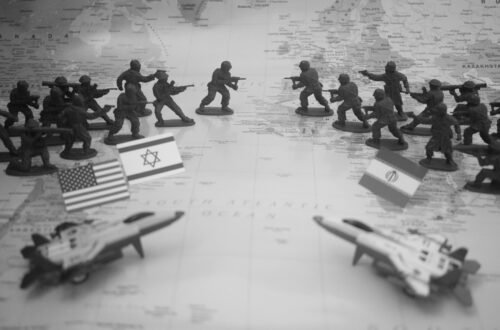
On February 28th, 2026, the U.S and Israel launched a joint missile and drone strike campaign in Iran, targeting Iranian military infrastructure (basic physical structures and facilities needed for operations, e.g., buildings, roads, supplies), missile and air defenses, and Iranian leadership. Iran’s Supreme Leader, Ali Khamenei, was one of several Iranian leaders killed in the strikes. These strikes, dubbed Operation Epic Fury by the U.S., triggered the ongoing conflict throughout the Middle East.
Why Did This Happen?
Relations between the United States and Iran have been tense for a very long time. In the 1979 Iranian Revolution, the previous U.S.-friendly government was replaced by an Islamic Republic that is anti-U.S. Historically, the U.S. and Iran have been at odds over Iranian expansion in the Middle East and their secret nuclear program, which the U.S. has sought to limit.
In recent times, these tensions have escalated even more. Iran and Israel engaged in a 12-day war in June 2025 after Israel initiated strikes against Iranian military/nuclear sites, which ended with a U.S. operation bombing several of Iran’s underground nuclear program locations.
After this conflict, Iran entered a severe economic crisis, which sparked a wave of protests in December 2025. In response, the Iranian government began a violent crackdown, killing thousands of protesters in the region.

President Trump has also been openly critical of Iran’s Supreme Leader, Ali Khamenei, calling him “one of the most evil people in history”.
Supporters of this conflict highlight the threat that Iran could pose if they continuted development of their military and nuclear program, while critics oppose the civilian casualties and economic disruption caused by the conflict
What Does the Conflict Look Like?
After the initial attack, the U.S and Israel have continued strikes against Iranian military and strategic sites. Iran has responded with strikes of their own against U.S. and Israeli military installations, like the U.S. Army base in Riyadh
A highly discussed aspect of the conflict is the Strait of Hormuz, the passageway between the Persian Gulf and the Gulf of Oman, situated off the coast of Iran. Approximately a quarter of the world’s oil passes through this area, making it economically valuable. Iran’s ability to deploy missile and drone strikes within this region has made it impossible for vessels to pass through and has significantly affected the global oil market.

While the U.S. has kept the number of strikes per day consistent over the course of the war, Iran’s rate has declined since its initial retaliation. The U.S. hasn’t deployed troops in Iran, but officials have stated that they haven’t ruled it out.
This conflict has also spread beyond just Iran. After retaliatory attacks by Hezbollah, an extremist Islamic political party in Lebanon, in response to Israel’s killing of Iran’s supreme leader, Israel has also conducted ground operations in Lebanon targeting the group.
What Comes Next?
As of writing, the U.S and Iran have not yet reached a deal to end this conflict. The U.S’s main objectives have been to limit Iran’s military capacity and nuclear program, and the extent to which they achieve these goals has yet to be decided. Trump’s threats of targeting Iran’s oil and energy infrastructure and using ground operations to accomplish these objectives are looming signals of possible escalation in the conflict. The coming weeks will likely determine whether or not this conflict is contained or becomes much bigger.


One comment on “U.S. Conflict in Iran: What’s Going On?”