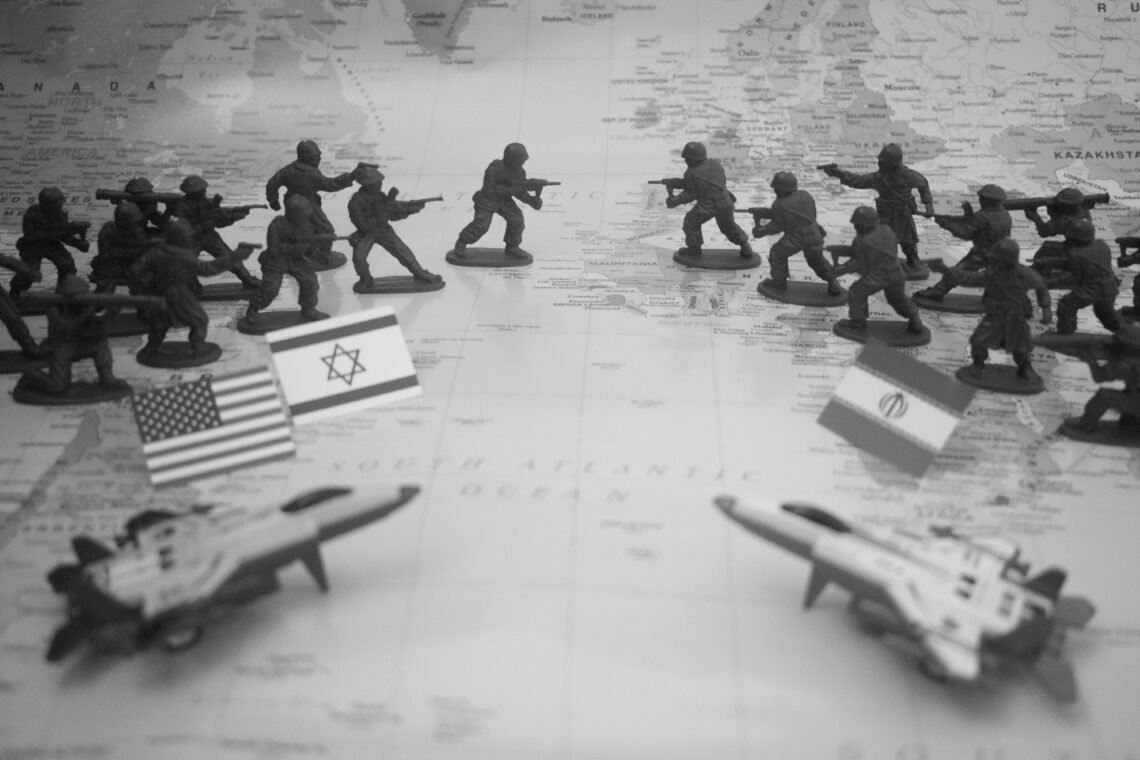
It has been around 3 months since the first attacks were launched at Iran by Israel and the USA in February, triggering the current ongoing conflict in the region. We had looked at the conflict in April, and it seemed as if there had been no meaningful efforts towards a peace deal. In the time since then, what has changed, and when can we hope to see an end?

Although mixed reports have surfaced from both Iranian and U.S. officials over the progress of negotiations, it does appear that a peace agreement will come soon.
In the previous post, we mentioned the U.S’s goals in Iran, those being to trigger regime change and limit Iran’s nuclear program and military capacity. While U.S and Israeli strikes did successfully kill Iran’s Supreme Leader, Ali Khamenei, in the initial wave of attacks, they have not caused significant government transformation, and Khamenei’s son has succeeded his father as Iran’s new Supreme Leader.
In early April, the U.S and Iran agreed to a two-week ceasefire, an agreement to not exchange strikes for a set amount of time, mediated by Pakistan. Although the U.S has continued infrequent strikes in “self-defense”, the ceasefire has extended since then up until now. President Trump also ordered a naval blockade in the Strait of Hormuz on April 14th of all ships traveling from an Iranian port, planning to continue it until the two reach a ceasefire

Throughout negotiations, Iran has fought back over maintaining their nuclear program, missile capacity, and maintaining control over the Strait of Hormuz, a passage positioned off the coast of Iran that has caused much turmoil throughout the world. Around 25% of the world’s oil travels through the region, making it highly valuable both strategically and economically. The Trump Administration has also stated that Iran must give up their stockpile of highly enriched uranium, a material used in nuclear weapons. Iran has continued to resist this demand
As of May 27th, the White House has released statements that negotiations are moving along “nicely”, and White House officials have stated that while the overarching principles have been largely worked out, the U.S. and Iran are currently in the process of finalizing the details of an agreement.