
Photo by John McArthur on Unsplash
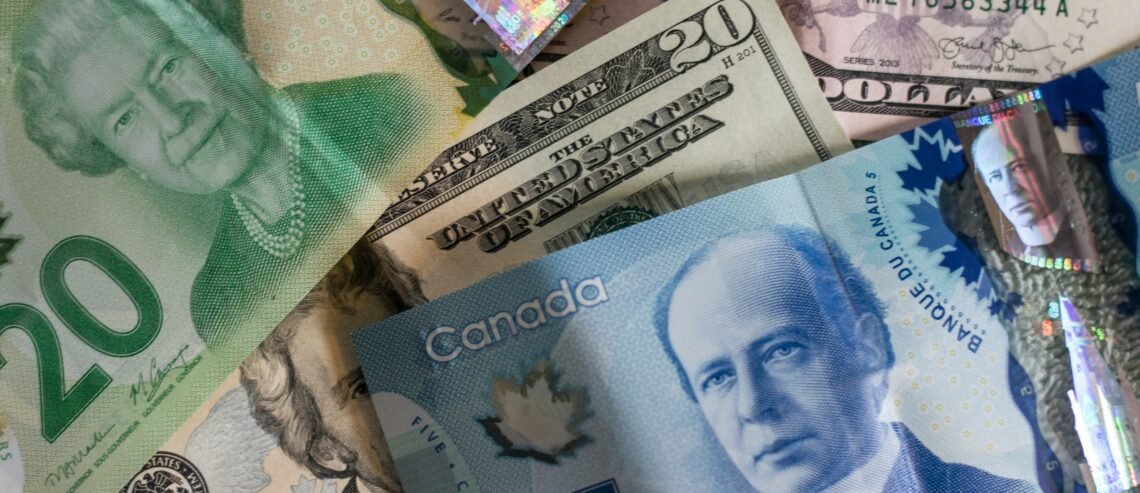
Last month, after talks between the U.S. and Canada deteriorated, the U.S. imposed heavy 50% tariffs on a variety of Canadian goods, such as wine, furniture, and dairy products. Tariffs, a tax on imported goods, have been a favorite tool of the Trump administration, used both to bolster domestic manufacturing and as a negotiation tool on the global stage. Canada responded with retaliatory tariffs of their own, igniting a trade war that has since not been resolved. Why did these talks deteriorate, and what does this mean for the economy?

Photo by Hudson Thomas on Unsplash
Trade talks in late August were initiated after President Trump announced he was imposing new tariffs on Canadian goods, seeking to “level the playing field” against what he believed to be discriminatory treatment of U.S. commerce (the buying and selling of goods). Negotiations to work out a trade deal that would be less harsh took place before the tariffs could officially take effect; however, they ultimately fell apart after a variety of U.S. demands weren’t met.
Among the demands of the U.S. were the Keystone XL pipeline, which was a proposed oil pipeline extension that would transport oil from Canada to the U.S. Gulf Coast, but was refused by Canadian officials who believed the U.S. offered trade deal wasn’t adequate to include the pipeline. President Trump also cited that Canada unfairly protects certain industries (closing them off from international competition/trade), particularly the dairy industry, and sought openings for trade with the U.S. Additionally, a hard line was taken by the U.S. on tariffs on cars, trucks, steel, and aluminum, which was a major obstacle in reaching an agreement.
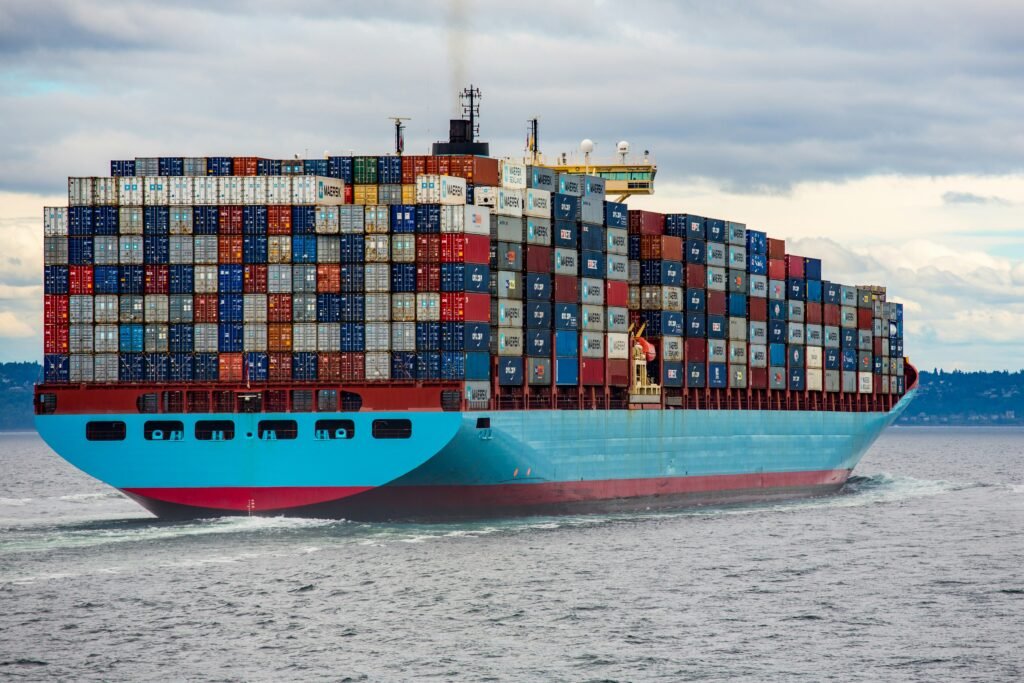
Photo by Hudson Thomas on Unsplash
Overall, Trump sought to shrink the trade deficit(when a country imports more goods than it exports) the U.S. runs with Canada, and had hoped that these negotiations would lead to a deal that could help that.
Eventually, an agreement was not reached, and the extreme U.S. tariffs took effect while Canada responded by imposing tariffs of their own and banning the import of a variety of U.S. goods such as alcohol.
As we wait for the U.S. and Canada to negotiate a new deal, the tariffs will likely cause increased consumer prices for certain goods in the meantime. Though the U.S. seeks a deal that will likely be more advantageous for its economy, relations between the U. .S and Canada have certainly been hurt by this conflict and could also have an effect in the future.