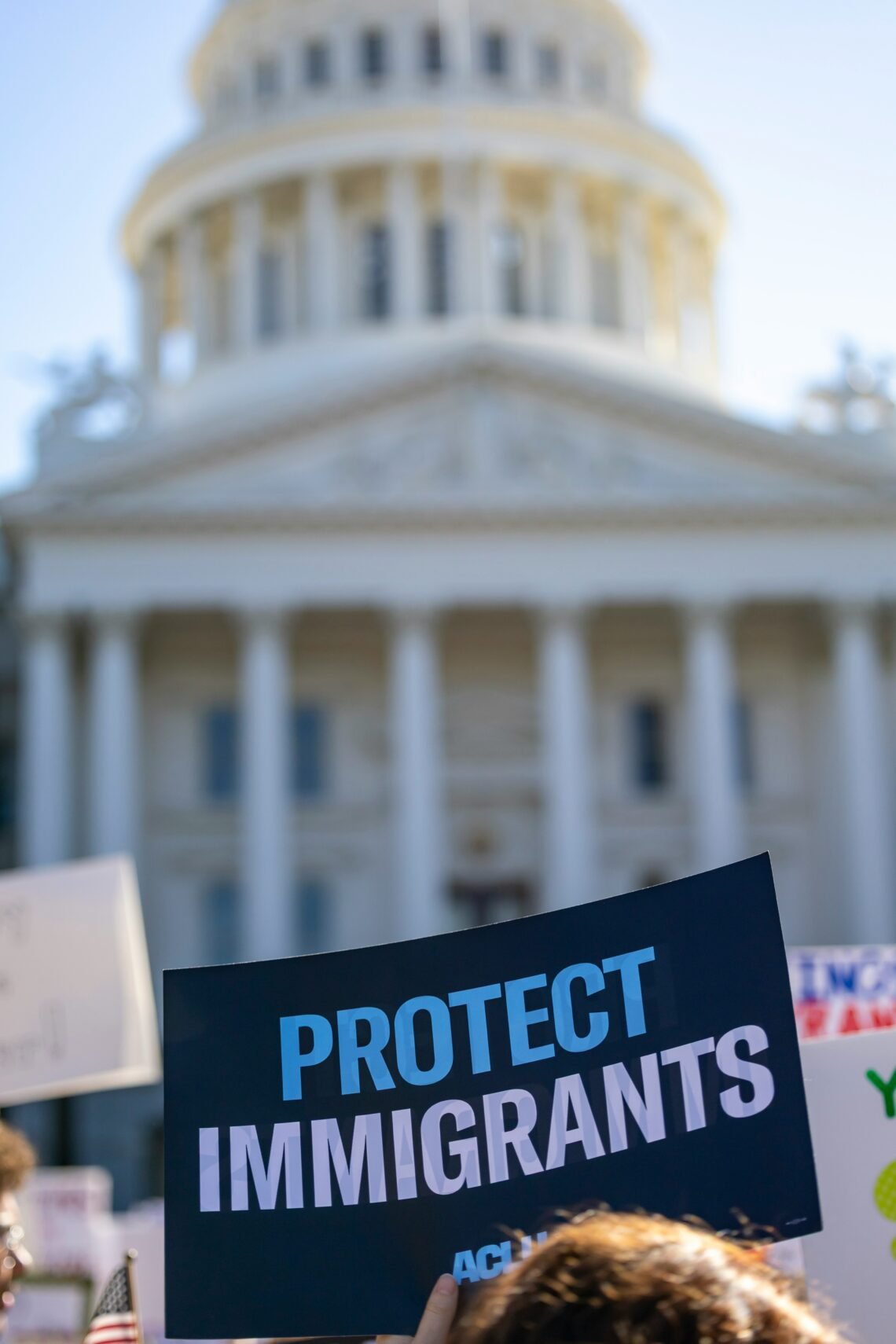
On January 20th, 2025, the first day of his second term, President Trump signed Executive Order 14160, which restricted the scope of birthright citizenship in the US. The order was reflective of Trump’s signature heavy anti-immigration policy; however, it has caused a large amount of controversy. After district courts blocked the order from taking effect, the Trump administration appealed to the Supreme Court, which heard oral arguments in Trump v. Barbara on April 1, 2026.
What is Birthright Citizenship? What does the 14th Amendment do?
Birthright citizenship in the U.S, fundamentally, is the right for anyone to automatically become a citizen if they are born within the borders of the country. Being an American citizen comes with a variety of privileges, including the right to vote. However, not granting citizenship to minorities has been a method to unfairly treat them, such as with enslaved African Americans. After the Civil War, American lawmakers wanted to ensure the rights of newly freed slaves were protected under federal law and did so by granting them American citizenship by birthright. They passed the 14th Amendment in 1866, officially making birthright citizenship a part of the Constitution.
The first part of the amendment reads: “All persons born or naturalized in the United States, and subject to the jurisdiction thereof, are citizens of the United States…”
Why did Trump pass the order?
The order was one part of Trump’s larger anti-immigration policy, as he seeks to limit the number of undocumented immigrants in the US. Many supporters of the order see illegal immigration as a future issue that wasn’t taken into account in the passing of the 14th Amendment, arguing that the order seeks to re-establish the original meaning behind it.
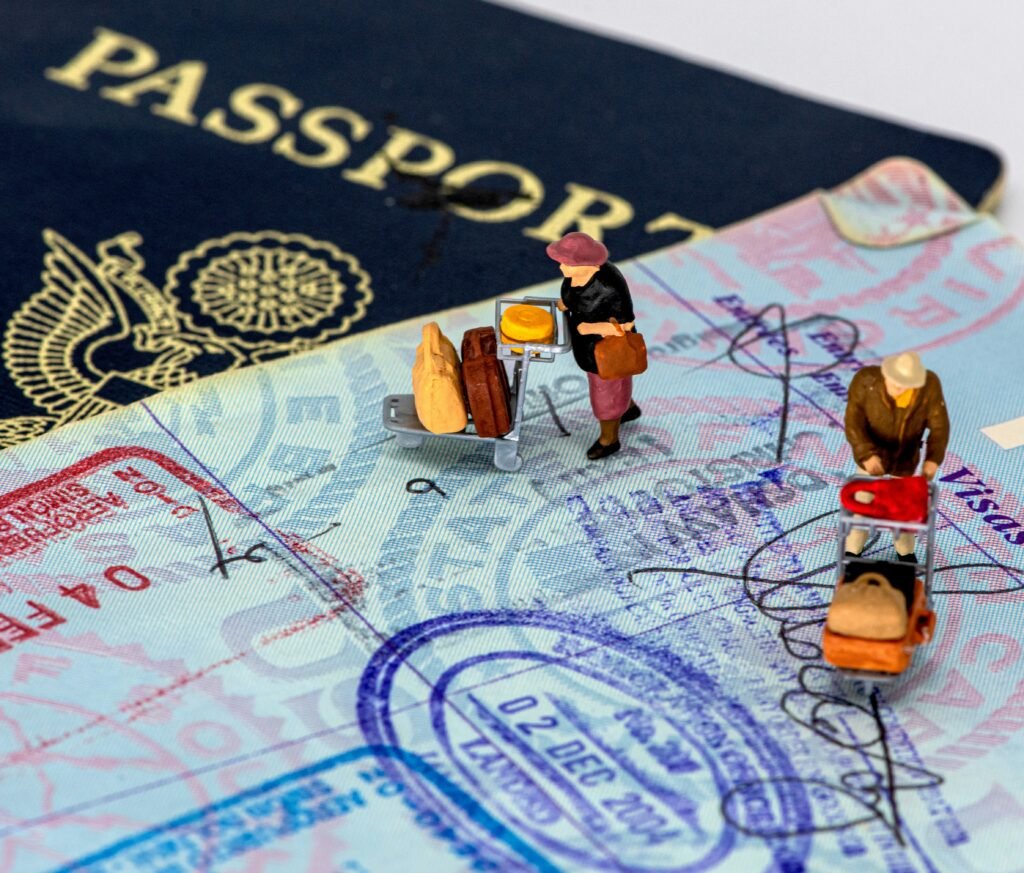
While Executive Order 14160 doesn’t completely do away with birthright citizenship, it does significantly limit the scope of who it applies to. The order declares that a child will not get citizenship “if their father is not a citizen or permanent resident, and their mother is either in the country illegally or only there temporarily.”
This means that children of undocumented immigrants and “non-permanent residents” would no longer be granted automatic citizenship, even if born on U.S. soil.

Photo by Sean Spicer from Wikimedia Commons
What are the arguments for or against?
The question of Trump vs Barbara rests on whether or not Trump’s executive order violates the 14th Amendment.
The main precedent, which means a past decision of a case that serves as a guide for the current issue, is known as U.S. v. Wong Kim Ark, from 1898. Wong Kim Ark was the child of non-US citizen Chinese immigrants, but was born in the U.S. He was denied entry back into the country after leaving because he wasn’t a U.S. citizen. The Supreme Court ruled that Wong Kim Ark was, in fact, a US citizen, because he was born in the U.S and the 14th Amendment granted him citizenship by birthright. This case has been very important in determining Trump vs. Barbara, since, like undocumented immigrants, Ark’s parents weren’t citizens, yet since he was born on U.S soil, Ark’s citizenship was still guaranteed.
The Trump administration argues that because Wong Kim Ark’s parents were “domiciled”, or permanently resided, in the U.S, they were “under the jurisdiction” of the U.S, as referenced in the language of the 14th Amendment. They assert that illegal immigrants, the primary target of the order, are under the jurisdiction of foreign countries, not the U.S.
Opponents of the executive order reason that being “not under the jurisdiction” only specifically applies to a small group of people, like diplomats from foreign nations, rather than illegal immigrants.
What Comes Next?
The Supreme Court is expected to release a final decision sometime in late June or early July. While it seemed that the judges were inclined to rule against Trump in the case, if they do rule to allow the executive order, it would have major implications for immigration and many individuals’ citizenship status.